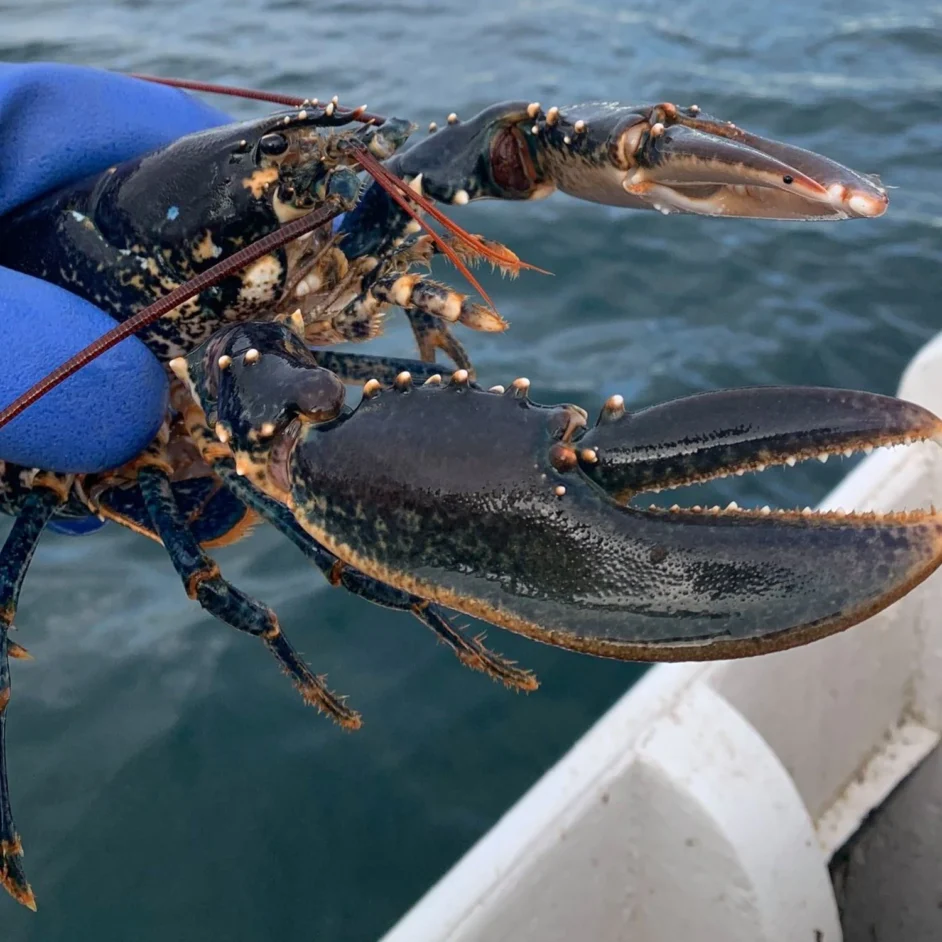
Seafish has recently developed a new code of practice for crustacea welfare:

Codes-of-Practice-for-Crustaceans_Compilation_July-2024-1


Limits of NIFCA District

NIFCA Boundary

Please be advised of the upcoming Geophysical Survey in the North Sea on behalf of National Grid Ventures. The survey will use the vessel EGS ECHO, appropriately licensed and certified for UK MCA CAT-C workboat operations.

Survey Details:

  • Corridor: 55° 9.50268′ N  1° 31.50906′ W  to  55° 10.60830′ N 1° 21.41460′ W
  • Scope: MBES and video inspection within 6 nautical miles
  • Start Date: w/c 19/08/2024
  • End Date: 22/09/2024
  • Vessel On-Site: From w/c 19/08/2024 for mobilisation

We request a 500-metre corridor free of static gear. Vessels are asked to pass at a safe speed and distance, and fishing vessels should remain clear of the identified areas.

NSL North Sea Link Geophysical

Limits of NIFCA District

NIFCA Boundary

The Environment Agency will be conducting scientific kelp surveys along the Northumberland coast area during July and August 2024.  Please see link below for further information:-

Notification letter from EA


Limits of NIFCA District

NIFCA Boundary

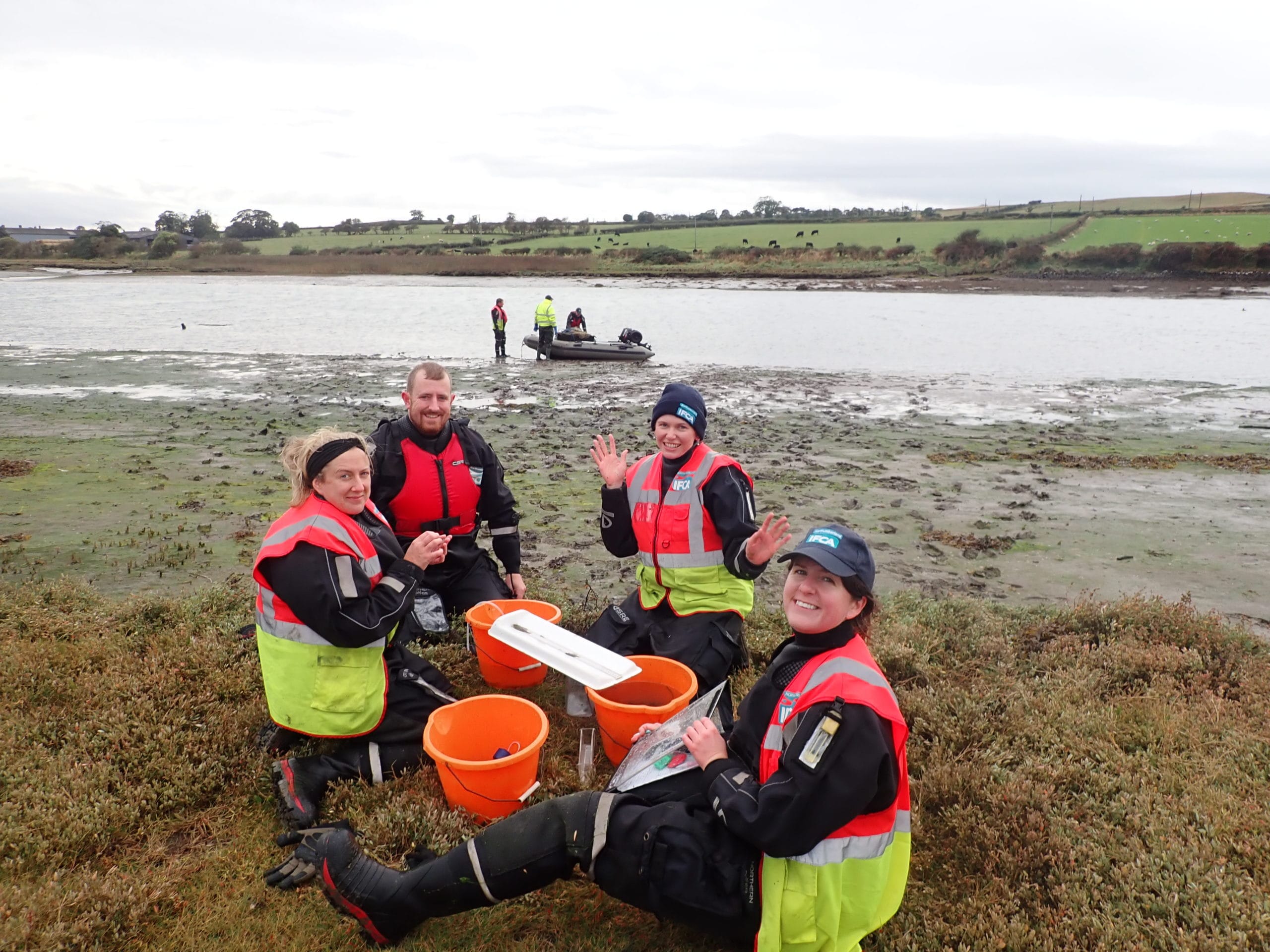
During June we conducted the latest Aln Estuary Survey.  The Aln Estuary Marine Conservation Zone (MCZ) is the smallest designated MCZ in the UK, covering an area of just 38.5 hectares.

In May 2012, the Northumberland Inshore Fisheries and Conservation Authority (NIFCA) conducted a pilot survey to study juvenile and small fish populations in the estuary, recognising its potential significance for young fish.

Since 2015, NIFCA has conducted biannual fish surveys in late spring and early autumn to gather data on fish population dynamics.  The primary aim of these surveys is to understand the variety of fish species in the estuary and the role it plays as a crucial spawning and nursery ground for North Sea fish.

The surveys help identify the abundance of fish communities at each site and collect additional data on the estuary’s physical and chemical properties, such as temperature and salinity.

The fish surveys follow the Environment Agency’s Transitional and Coastal Monitoring (TrAC) method. Over eight years, 16 surveys have been conducted, recording a total of 7,473 fish, with 4,689 (63%) measured. The 2023 results were compared with previous years to assess the site’s significance as a nursery and to monitor any changes over time.

The 2024 survey results will be available later in the year and will build on the key findings from our 2023 survey, which identified a total of 13 species identified to species level and two to genus level. In spring 2023, 10 species and two genera were identified, while in autumn, 11 species and one genus were identified.

All the commercial species measured were juveniles, except for trout and a small percentage of adult sandeels (22% lesser sandeels and 7% greater sandeels). The most abundant species recorded was the Atlantic herring, with 706 individuals, marking the highest recorded species abundance in a single sample.

The 2023 survey results reaffirmed the Aln Estuary MCZ’s importance as a nursery ground for various fish species, notably commercial species such as lesser and greater sandeel, Atlantic herring, European flounder, and European eel. It is important to note that sandeel and European eel both have prohibitions for commercial fisheries in the UK.

The estuary’s diverse habitats support a wide range of juvenile species, with certain habitats preferred by specific species (e.g. saltmarsh for Atlantic herring and European flounders, sublittoral sand for lesser and greater sandeels).

The continued high abundances, low variation in species richness and consistent yearly recordings of six species suggest stable conditions in the MCZ, achieving its conservation objective to “Maintain in favourable condition.”

However, the factors affecting fluctuating population dynamics remain uncertain. Temperature and salinity data collected since 2015 have not shown clear trends, possibly due to the estuary’s low temporal and spatial temperature range or external factors like offshore impacts on spawning grounds. Salinity readings have varied more widely but haven’t revealed consistent correlations with species richness and abundance.

For more detailed information, please refer to the 2023 Aln Estuary report at: https://nifca.gov.uk/wp-content/uploads/2024/05/Aln-Report-2023-Final.pdf

Overall Results (2015 – 2023)

Consistent Species: Six species exhibited site fidelity, being recorded every year, while five species were only recorded once.

High Abundance: The most abundant species over the years were lesser sandeel (2,102 individuals), Atlantic herring (1,851), and goby species (1,347), accounting for 73% of all individuals recorded.

Species Richness: Inter-annual species richness showed little variation (Sorensen Index Similarity score of 90% – 64%), but population dynamics fluctuated significantly both inter- and intra-annually (Bray Curtis Index Similarity Score of 80% – 16%).

Limits of NIFCA District

NIFCA Boundary

During May, the Northumberland Inshore Fisheries and Conservation Authority (NIFCA) made its annual appearance at the Amble Puffin Festival, an event celebrating the region’s marine life.

Each year, NIFCA supports the festival to connect with the local community and share insights into our work in managing and conserving Northumberland’s inshore waters.

Our officers Vicky Rae and Richard Willis manned NIFCA’s booth, which was a hub of activity, offering interactive displays and educational materials. Visitors learned about sustainable fishing practices, habitat protection and marine biodiversity. The NIFCA team provided information on key topics including sustainable fishing practices, minimum size limits and research work undertaken as well as ways anglers can contribute to the data held on finfish by entering our species challenge competition.

Habitat protection was also a key area, covering the safeguarding of critical habitats such as seagrass beds and rocky reefs and marine species conservation.

Hands-on learning and engaging with the community

Children enjoyed fish identification games, fostering early interest in conservation. The festival also facilitated discussions between NIFCA officers and local fishers, helping to promote collaboration and mutual understanding.

NIFCA’s annual participation in the Amble Puffin Festival not only educates the public but also strengthens community ties, reinforcing the collective effort to protect Northumberland’s marine heritage.

Festival facts

The Amble Puffin Festival celebrates everything Puffin at the best time of year to see the Coquet Island puffins, as they prepare to take care of their newly hatched pufflings.

The festival takes inspiration from a colony of approximately 30,000 puffins that nest on the RSPB seabird sanctuary of Coquet Island, just a mile off Amble. Puffins are very sociable birds that like to nest in burrows in the soft sandy soil on the island, which equates to more than 15,000 burrows.

Coquet Island has been an RSPB nature reserve since 1970 and is also the sole UK nesting colony of roseate terns. The island is a Site of Special Scientific Interest and therefore protected all year round, to safeguard the fragile habitat.

Limits of NIFCA District

NIFCA Boundary

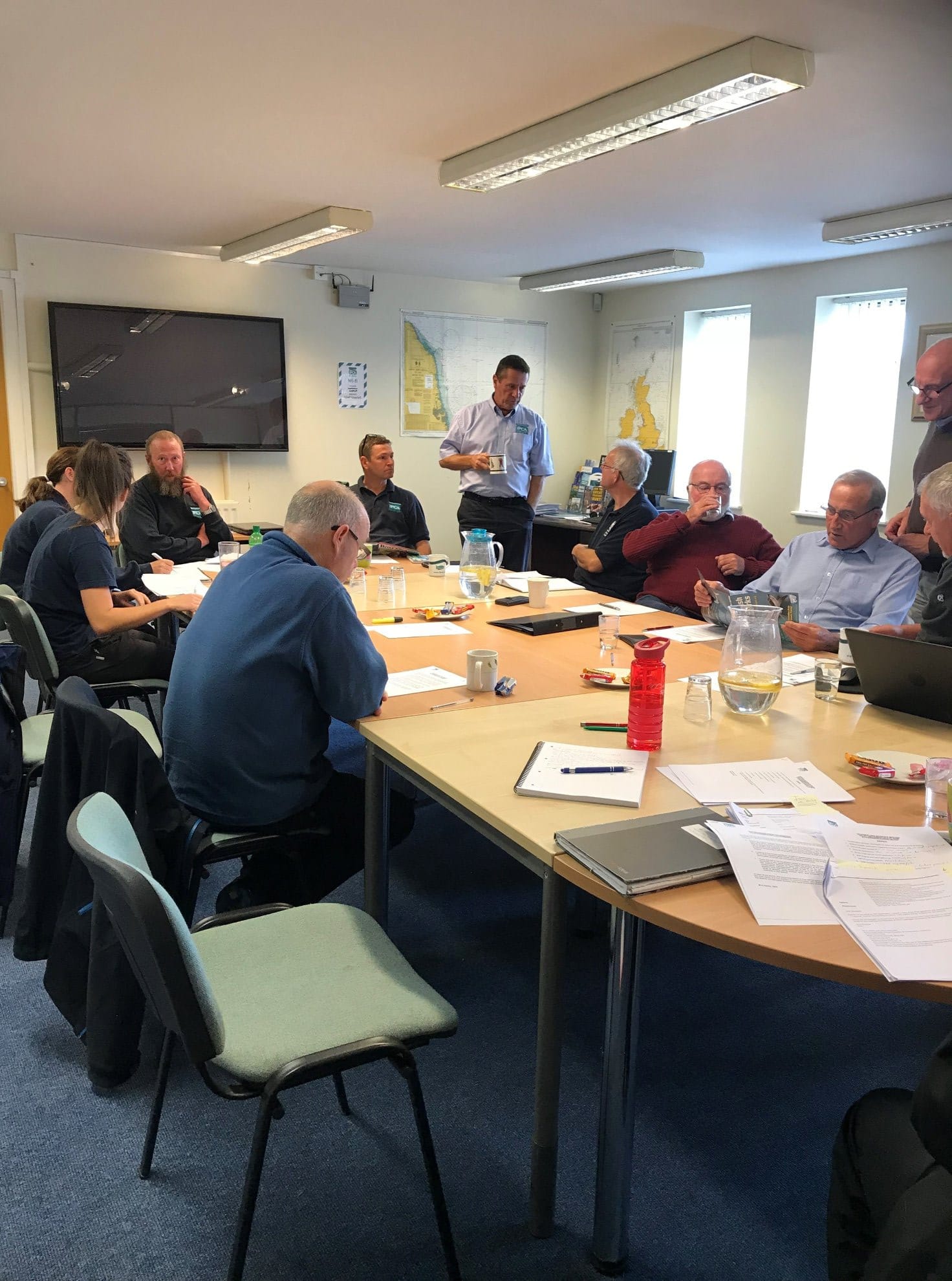
Please note that our next Quarterly Meeting will be held at the NIFCA Office, 8 Ennerdale Road, Blyth, Northumberland, NE24 4RT on Monday 22nd July 2024 at 1pm.

The meeting is open to all.  If you have any queries or would like to attend, please email nifca@nifca.gov.uk

Limits of NIFCA District

NIFCA Boundary