Limits of NIFCA District

NIFCA Boundary

Limits of NIFCA District

NIFCA Boundary

Recreational sea angling has long been a cornerstone of coastal life in Northumberland. From pier fishing in Blyth to charter trips off Amble, the sport supports livelihoods, sustains communities, and connects thousands of anglers with the marine environment. Now, thanks to the work of the Northumberland Inshore Fisheries and Conservation Authority (NIFCA), recreational sea angling has never been more firmly recognised as a vital part of inshore fisheries management.

Recognition under the Fisheries Act

The Fisheries Act 2020, and later amendments in the Fisheries Act 2022, changed the landscape for UK anglers. For the first time, recreational angling was acknowledged in national fisheries management. This recognition ensures that Fisheries Management Plans (FMPs) must take recreational sea angling into account, covering access to key species like bass, pollack and wrasse, as well as possible catch restrictions such as bag limits and seasonal closures.

Importantly, the Act requires fisheries authorities to consider the socio-economic value of angling. With recreational sea angling contributing nearly £2 billion annually to the English economy and supporting over 16,000 jobs, its role in coastal economies is undeniable.

How NIFCA Supports Anglers

NIFCA has been proactive in ensuring recreational voices are not just heard but embedded in local management. Its Recreational Sea Angling Strategy, first published in 2021 and updated annually, focuses on three clear aims:

  • Building strong relationships with anglers and clubs across the district
  • Improving understanding of recreational catches and inshore fish stocks
  • Making evidence-based decisions to secure sustainable fishing opportunities

In practice, this means NIFCA officers are a familiar sight at competitions, in tackle shops, and on patrols. Their work includes distributing minimum size guides, installing fish measuring boards, promoting the Anglers’ National Line Recycling Scheme.

Data for the Future

One of the standout initiatives has been the NIFCA Species Challenge, a friendly, shore-based competition designed not just for bragging rights but for science.

Launched in 2023, the Species Challenge has already engaged over 120 anglers, with nearly 1,200 fish submissions covering 38 species. Popular catches include flounder, whiting, dab, cod, and mackerel, while rarer finds like shad, bonito, and tompot blenny have added to the excitement.

The Challenge has given NIFCA a new dataset on local fish populations, information previously lacking due to the shellfish-dominated commercial fleet. It’s already helping to highlight seasonal patterns and even gaps in knowledge, such as the need for better data on northern parts of the district.

 Anglers as Citizen Scientists

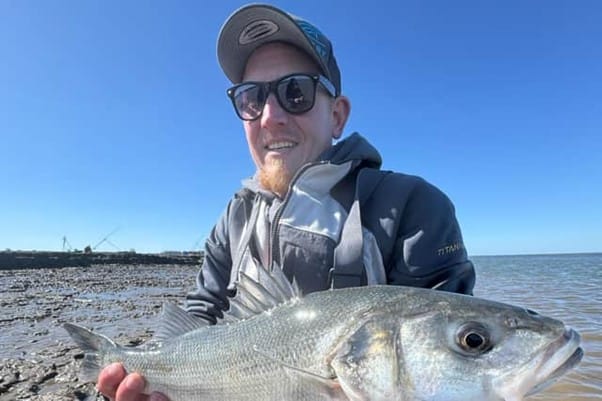
Alongside the Species Challenge, NIFCA recently launched a Bass Scale Project. By collecting scales and measurements from bass caught in the district, anglers are helping build an age and growth profile of local populations. This work is particularly important as bass shift their range northwards due to climate change. The results will feed into wider national research and Fisheries Management Plans, helping to support evidence gaps in local populations and catches from recreational fishers.

Working Together for Sustainable Seas

NIFCA’s work shows what’s possible when anglers, regulators, and scientists collaborate. From championing catch-and-release practices in local clubs to addressing challenges like litter, fixed nets, and fish stock declines, the authority is ensuring the recreational sea angling community has a real say in fisheries management.

As one angler put it at a recent NIFCA forum: “It’s about more than just the fish, we’re investing in the future of our sport and our seas.”

Looking Ahead

With climate change reshaping fish populations, government identifying evidence gaps in FMPs, and local communities depending on a healthy marine environment, the role of RSAs has never been more important. NIFCA is showing how angler engagement can deliver both better science and stronger fisheries management.

For sea anglers in Northumberland, this means not just being consulted but being part of the solution. Recreational anglers are not just stakeholders, they are partners. With continued engagement, stronger data, and government recognition, the future of recreational sea angling in Northumberland looks more secure than ever.

Further Reading

  • NIFCA Recreational Sea Angling Strategy (2024 update): NIFCA.gov.uk.
  • NIFCA Species Challenge Report (2023–24): NIFCA.gov.uk.
  • Hyder et al. (2020). Participation catches and economic impact of sea anglers resident in the UK, 2016 & 2017 (Cefas report).
  • Sea Angling 2012: National survey of recreational sea angling activity and value.

 If you’re a recreational sea angler in the NIFCA district, your voice matters. Look out for future Species Challenge updates, contribute to the Bass Scale Project, or simply share your catch data with officers on patrol or submit fish catches nationally using the Cefas Sea Angling Diary app. By taking part, you’re helping safeguard fish stocks, strengthen the case for recreational access, and shape the future of angling in Northumberland.

Get involved: Visit www.nifca.gov.uk/recreational-fishing/sea-angling or email nifca@nifca.gov.uk to find out more.

Limits of NIFCA District

NIFCA Boundary

During August, NIFCA took part in the annual St Mary’s Wildlife Festival, held at St Mary’s Lighthouse in Whitley Bay. The popular event celebrates the rich biodiversity of St Mary’s Island, a much-loved nature reserve and Site of Special Scientific Interest (SSSI) renowned for its coastal bird populations and seal colonies.

The festival aims to both celebrate and educate visitors about local wildlife, offering a mix of educational programmes, wildlife recording opportunities, and family-friendly activities.

NIFCA Environment Officers Alex Aitken and Vicky Rae joined the weekend’s celebrations, spending time on a very sunny St Mary’s Island alongside local organisations and charities.

The team enjoyed engaging with individuals and families attending the event, sharing information about the Authority’s role in marine conservation and the importance of protecting our local coastal habitats.

Lead Environment Officer, Alex Aitken, said: “We were pleased to see so many people come to St Mary’s Island to chat about our amazing marine life and the wildlife connected to this beautiful and important Nature Reserve.

“NIFCA’s attendance at the festival was an excellent opportunity to raise awareness of marine conservation efforts, strengthen links with the local community, and inspire visitors to appreciate and protect the region’s unique coastal environment.”

Limits of NIFCA District

NIFCA Boundary

Northumberland Inshore Fisheries and Conservation Authority (NIFCA) recently welcomed Emma Foody, MP for Cramlington and Killingworth, to its base in Blyth.

Ms Foody met with NIFCA Chair Amelia Henderson and Chief Officer Mark Southerton to learn more about the Authority’s work in protecting marine habitats and supporting the local fishing community.

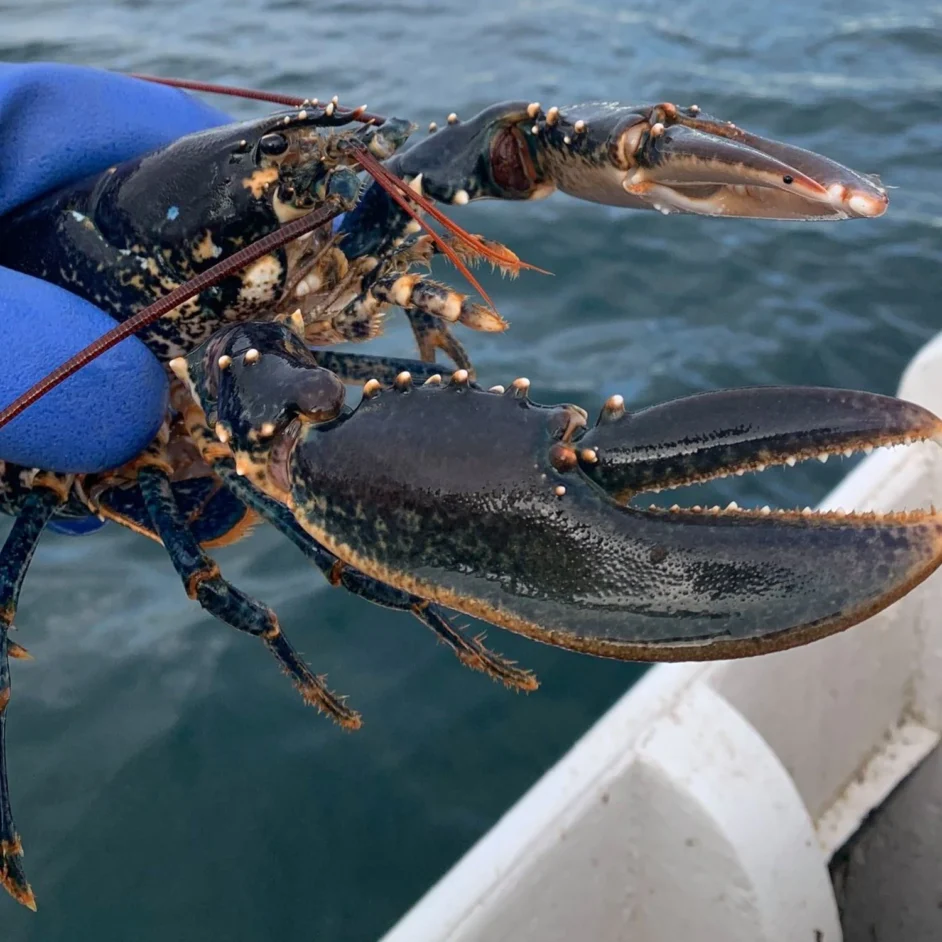
The visit focused on the management of the region’s important lobster fishery, highlighting how shellfish permit returns and biometric data collection at sea and onshore is helping to monitor stock health and harvest rates.

Ms Foody also learned about initiatives such as NIFCA’s pioneering V-notching scheme, which supports the sustainability of local lobster populations.

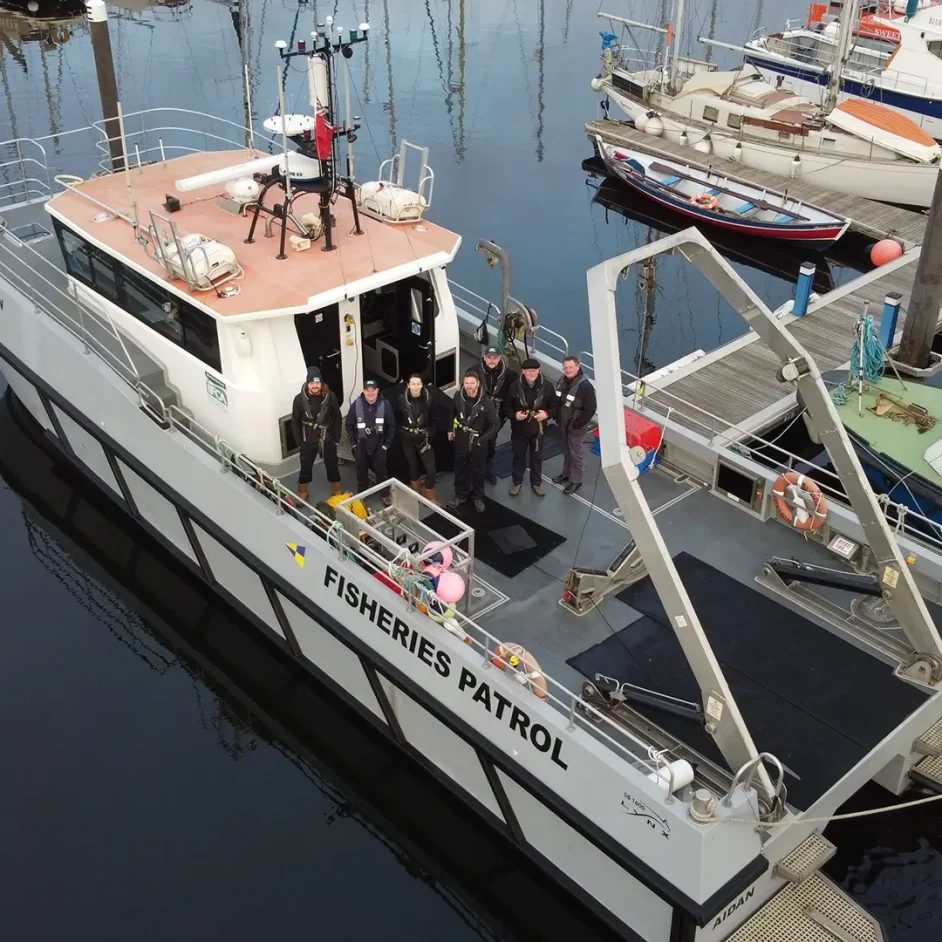
The visit also highlighted the Authority’s compliance and enforcement work, including inspections at sea and from shore, and recent investments in new equipment to boost the organisation’s monitoring and research capabilities.

On a national level, the conversation touched on the challenges facing the inshore fishing sector, including the spatial pressures from offshore developments, consultations on bottom-towed fishing gear, and NIFCA’s role in the work of the Inshore Small-Scale Fisheries (ISSF) consortium, which is looking at the drivers behind the gradual decline of small scale fisheries.

Ms Foody was briefed on the Fair Funding Review which could mean changes to DEFRA funding for the Authority from 2026, its role in Marine Protected Area management, and adaptive approaches to trawling which includes a pioneering gear trial designed to reduce fishing impacts on the seabed.

Following her visit, Ms Foody praised the Authority’s commitment to both the environment and local communities: “It was great to see first-hand how NIFCA balances protecting our marine environment with supporting the livelihoods of our local fishing communities. I will be raising the importance of recognising and safeguarding key fishing grounds, as well as ensuring IFCAs are properly supported to continue their essential work.”

NIFCA Chair Amelia Henderson welcomed the visit, she said: “We were very pleased to host Emma Foody MP and to share the breadth of work we do. The meeting provided an opportunity to discuss current initiatives, challenges in the sector, and our unwavering commitment to protect marine habitats while working closely with the local fishing industry. We look forward to working with Ms Foody and other partners moving forward.”

Limits of NIFCA District

NIFCA Boundary

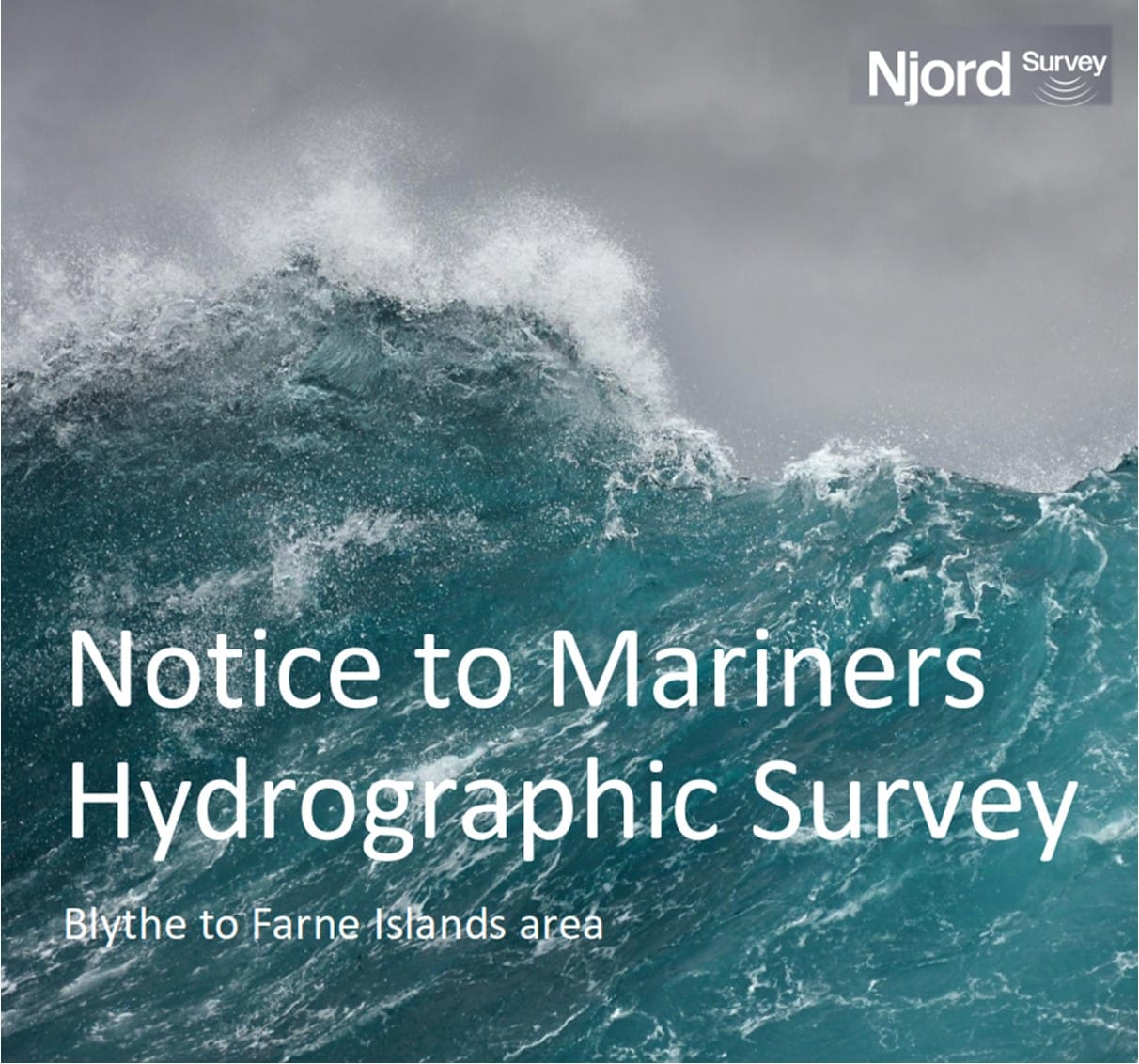
Please see link below to a Notice to Mariners updated on 6th October 2025 – this notice updates the nautical charts of the Hydrographic Survey taking place from Blyth to Farne Islands area up to 31st October.

View NTM


Limits of NIFCA District

NIFCA Boundary