29 September 2026
NIFCA QUARTERLY MEETING – 26th October 2026 at 1pm
Blog

Looking for a specific file or document? Browse our Resource hub.
For many marine biology students, work placements are a chance to gain practical experience. For Hajar Azoui, a student at Newcastle University studying Marine Biology, her placement with Northumberland Inshore Fisheries and Conservation Authority (NIFCA) became something more: a first hand look at how science, conservation, and policy come together in the real world.
Originally from Peterborough, Hajar applied for the placement partly because it was required for her degree, but also because the organisation’s work genuinely matched her interests.
“I’ve always liked the policy side of conservation,” she explains. “Especially how it links to real-world management. Things like byelaws and the legal side of conservation are really interesting to me, so being able to see how that works in practice was a big reason I chose NIFCA.”
Over the course of the placement, Hajar experienced both the scientific and operational sides of marine conservation. Her week combined office-based research with hands-on fieldwork along the North East coast.
A major part of her placement focused on analysing underwater camera footage collected during surveys of the nephrops fishery. Reviewing more than five hours of video footage, Hajar identified sea pens, logged timestamps, identified species, and organised the data into spreadsheets. She then used special computing software to create a histogram showing sea pen abundance per square metre, helping to strengthen her data analysis and coding skills along the way.
“It showed me how much work actually goes into collecting and analysing data before it can be used to inform decisions,” she says.
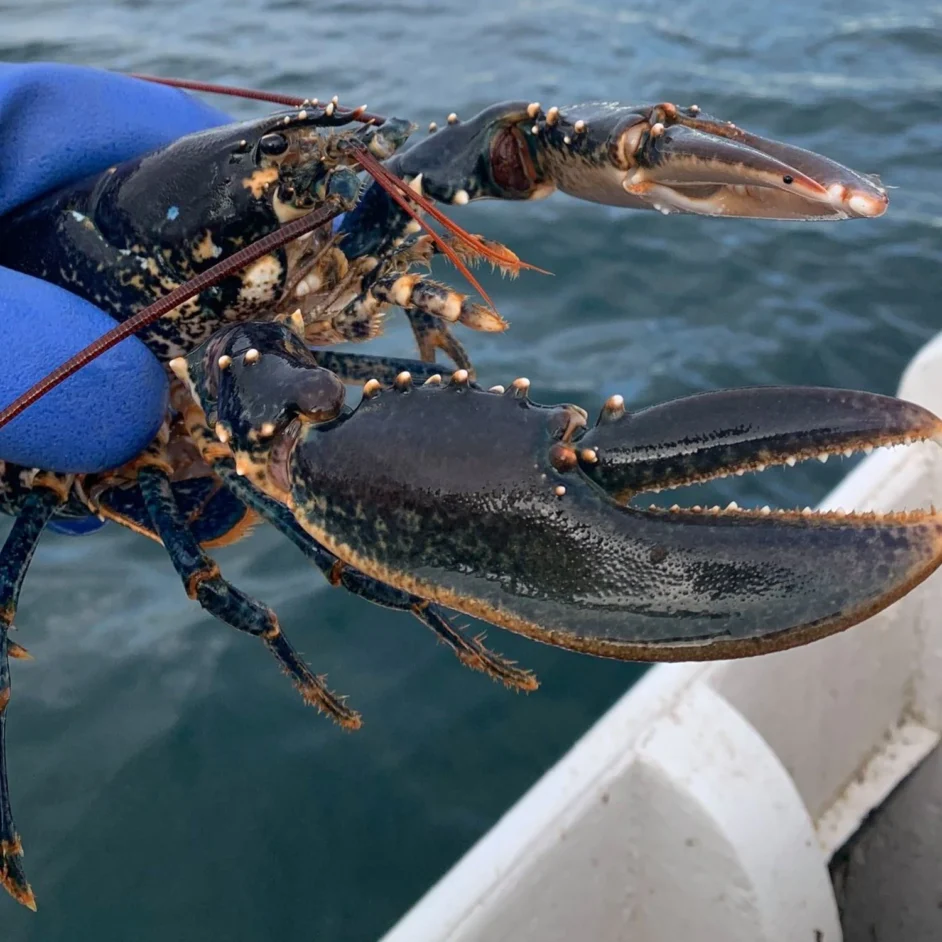
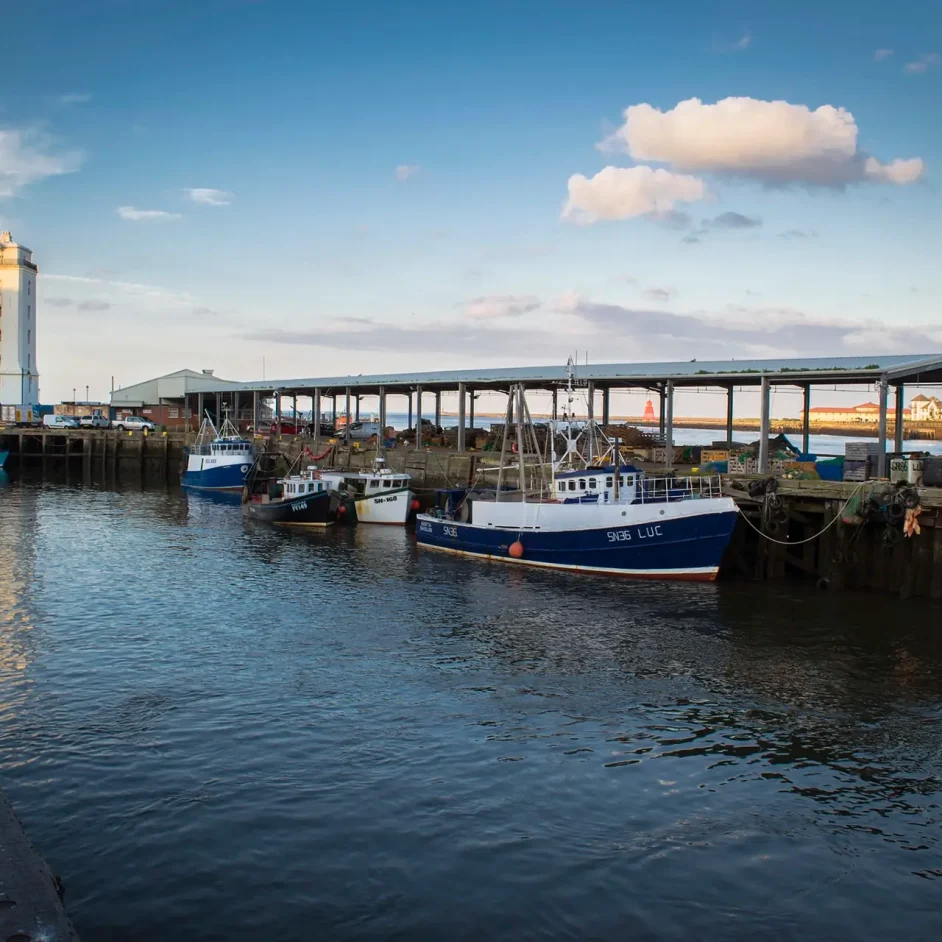
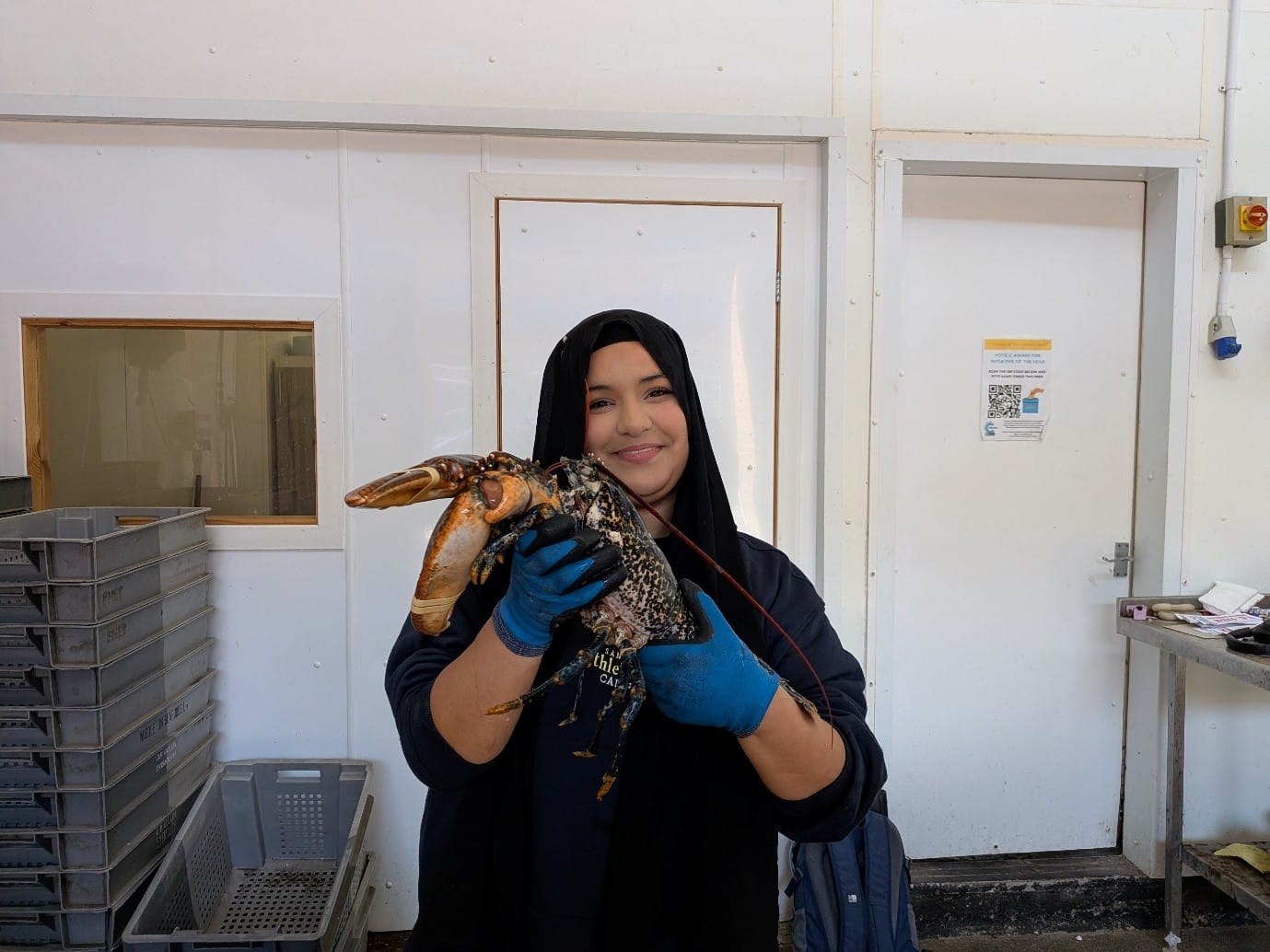
The placement also gave her opportunities to get out into the field. During a visit to North Shields, she helped record biometric information from lobsters, recording details such as size, sex, , while also examining edible brown crabs landed by local fishermen.
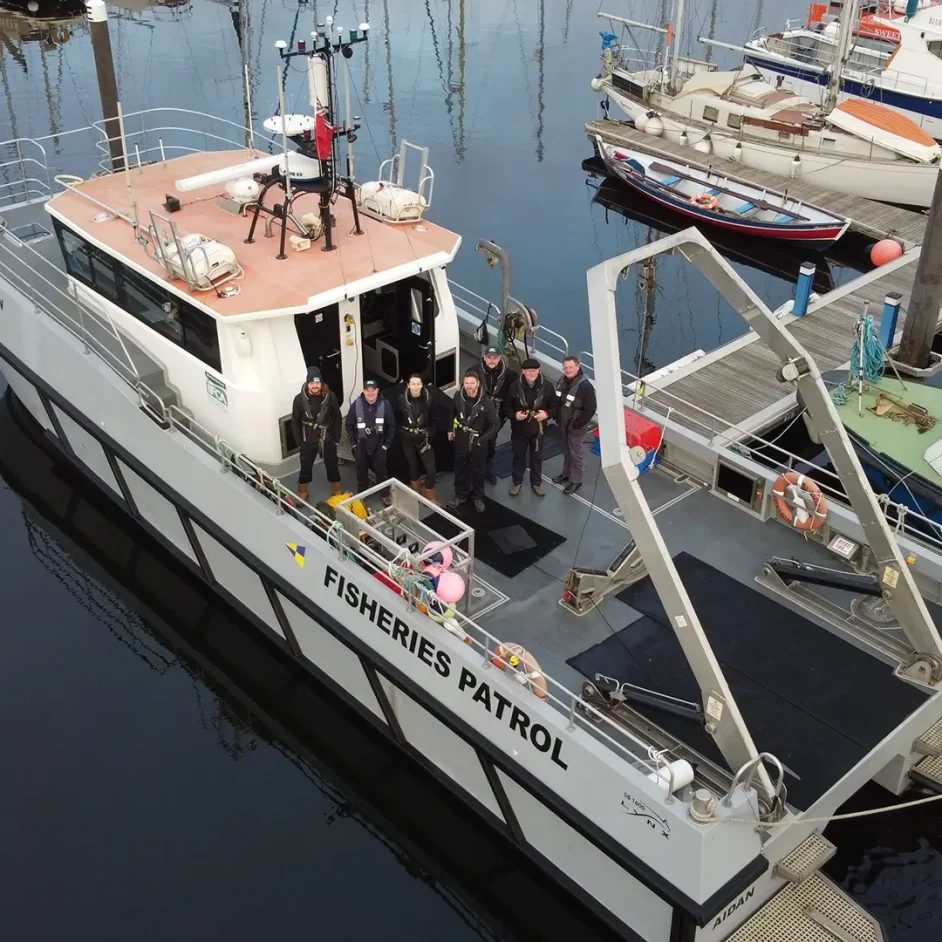
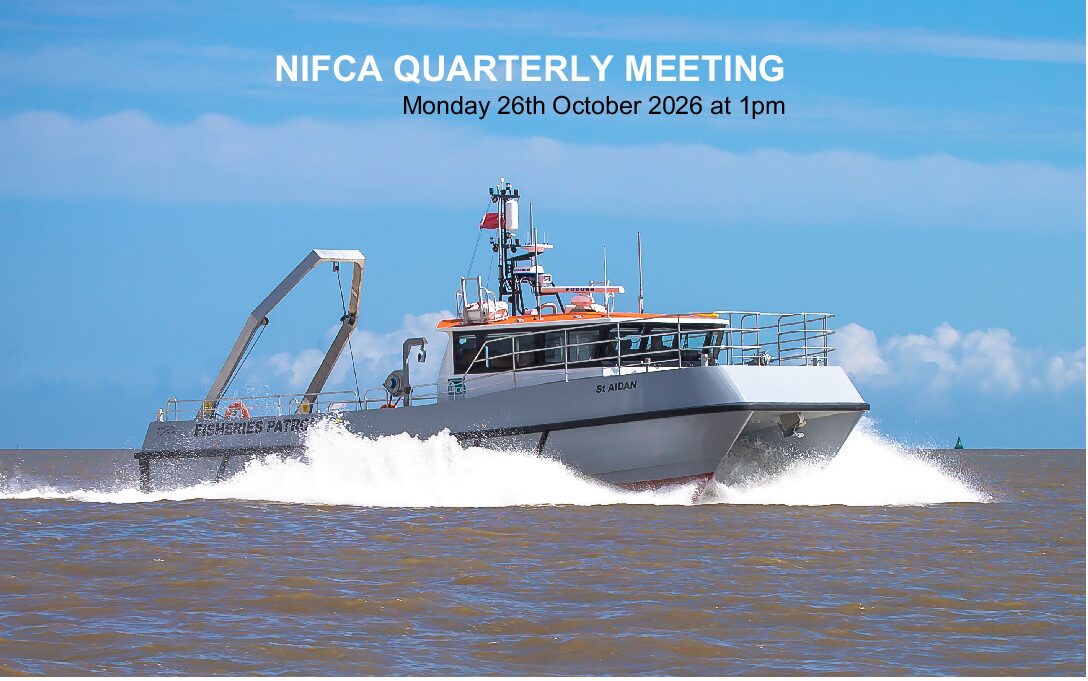
One of the standout moments came during a trip in the ‘Robert Arckless MBE’ patrol boat to the Farne Islands, where she accompanied officers conducting vessel inspections as part of NIFCA’s fisheries management work.
“We also saw seals and puffins, which was amazing,” she says.
Another day took her to the harbours around Amble, where she observed inspections of catches and spoke directly with fishermen about their work, the species they catch, and the realities of working within fishing regulations.
For Hajar, these conversations were one of the most valuable parts of the experience.
“It was really interesting to hear their perspectives and understand how regulations affect them in real life.”
By the end of the placement, she had produced a short report analysing the sea pen survey data and discussing the results, tying together the scientific and policy aspects of the work she had experienced throughout the week.
Looking ahead, Hajar will return to university to complete her final year and hopes to focus her dissertation on policy-related topics. Long-term, she sees herself building a career where science and management intersect.
“I’m interested in going into conservation, particularly where it links with policy and management,” she says. “I’d like to work in an organisation similar to NIFCA, where I can be involved in both research and policy, because I really enjoy that combination.”
When asked whether she would recommend the placement to other students, her answer is immediate.
“Yes, one hundred percent! You get a really good mix of office work and field experience, and you learn a lot in a short amount of time.”
But beyond the technical skills and field experiences, one thing stood out most.
“One of the best parts of the placement was the team. Everyone was really welcoming and friendly, and the office had a super positive atmosphere. It didn’t feel like a typical work environment. Everyone got along well and made it an enjoyable place to be. That honestly made a big difference to the overall experience.”